Moving from Belgium to Cyprus as a freelance engineer
What the move actually took, the order I'd do it in again, and the mistakes worth avoiding.
At the end of 2025 I moved from Belgium to Paphos. I work for clients and startups around the world, so on paper all I needed was a laptop and decent internet. In practice it took a few months of paperwork, a couple of near-mistakes, and more stamped documents than I've ever seen.
This is what it took, in the order I'd do it again. It isn't tax or legal advice. The rules changed on 1 January 2026, and your situation will differ from mine, so get an accountant before you act on any of it. Cyprus Consult helped me a lot along the way.
Why Cyprus
It started as a tax question, and I'd rather be honest about that. In the summer of 2025 I was running my work through a Belgian partnership and asked the obvious question: could I set up a company in Cyprus and keep living in Belgium? The short answer is no. Belgium taxes you based on where your life actually is, and a company abroad doesn't change where you live. If you want the Cyprus setup, you have to actually move.
So the real question became whether I wanted to live here. That part turned out to be easy. I wanted more sun and a life outside work: the gym, a run along the sea, padel and the beach, without planning around the weather. Cyprus is in the EU and English is everywhere, which makes clients, banks and paperwork simpler. The time zone works too: I overlap fully with Europe, and with the US East Coast from mid-afternoon.
Tax is a good reason to look at Cyprus. It's a bad reason to move if you wouldn't want to live here anyway, because the rules only work if you really do.
How it actually went
- Summer 2025. Research, and a plan with my Belgian accountant to wind down my Belgian partnership.
- Autumn 2025. A two-month furnished stay in Paphos, to see whether I actually liked living here before committing.
- December 2025. A one-year lease in Paphos, and the move.
- Early 2026. Registered as a resident, set up the company and opened the bank accounts.
- Spring 2026. Applied for non-dom status and filed my first tax return here.
- Summer 2026. Joined the health system and picked a GP.
Roughly a year from first question to fully settled. Most of that time was waiting, not doing.
The order that worked
1. Talk to accountants on both sides first
You need two: one in your home country for the exit, and one in Cyprus for the arrival. Winding down a Belgian company takes months and has its own tax choices, so start that conversation early. Most of my questions turned out to be about order: what has to happen before what, and which step you can't undo. Good accountants save you from the expensive version of learning that.
2. Try it before you commit
Rent something furnished for a month or two first. A holiday week tells you nothing about living somewhere in February with a full calendar of calls. Paphos, Limassol, Larnaca and Nicosia feel like different countries, and a short stay tells you which one fits.
3. Find a place, and check the paperwork before you sign
You need a rental contract stamped at the tax department, and usually a utility bill in your name for registration. Many landlords keep the electricity and water in their own name, so ask before you sign, not after. Read the early-termination clause too. A one-year lease with no way out is common.
4. Register as an EU resident (the "yellow slip")
As an EU citizen you register with the Civil Registry and Migration Department and get a registration certificate, known locally as the yellow slip. You'll need your ID, the stamped lease, the utility bill and proof of income or self-employment. You can do this yourself. Some incorporation packages charge a lot to "handle" it.
5. Set up the company and the bank
I closed my Belgian partnership and set up a Cyprus limited company. Incorporation itself is quick. The business bank account takes longer, so start it early. Shop around for incorporation quotes: prices for the same package vary a lot.
6. Get the numbers: tax ID, social insurance, GESY
You'll need a Cyprus tax ID, social insurance registration and GESY, the national health system. Once you're in GESY, pick a personal doctor close to home. Your GP is the gatekeeper for referrals, and switching later takes time.
7. Close things properly in Belgium
Deregister at your municipality, wind down any Belgian company properly, and tell your accountant there. Then update your tax residence everywhere: banks, payment apps, exchanges, brokers. It's easy to miss one, and an account that still lists your old tax number is exactly the kind of detail that causes trouble later.
Tax, briefly
A few things are worth knowing before you talk to an accountant (as of 2026):
- Becoming tax resident. Either spend more than 183 days a year in Cyprus, or use the 60-day rule: at least 60 days here, no more than 183 days in any other country, a home here and work or a directorship with a Cyprus company. Since 2026 you no longer have to prove you aren't tax resident anywhere else (source).
- Non-dom status. New residents whose domicile of origin isn't Cyprus can apply to be "non-domiciled", which exempts dividends and interest from the special defence contribution for up to 17 years. You still pay the GESY health contribution on them.
- The 2026 reform. Corporate tax went from 12.5% to 15%, the personal tax-free allowance went up, and the old deemed dividend rules were scrapped (summary).
What I'd do differently
- Don't take money out of your company before your residency is sorted. The order matters: tax ID, updated bank details, your days in Cyprus and your first tax return come first. Ask your accountant what the safe sequence is for you.
- Update your tax residence at every bank the week you get your Cyprus tax ID. Don't wait for them to ask.
- Keep originals and copies of everything. Offices here often want the original, a copy and a stamp, and they'll send you away for any one of the three.
- Plan for slow. Most steps are simple, but appointments, stamps and processing times add up. Months, not weeks.
- Check what needs redoing locally. Some things you'd expect to carry over from Belgium don't, so ask early instead of finding out at the counter.
Living in Cyprus
The paperwork is the part people ask about. The part that actually changed my life is everything around it.
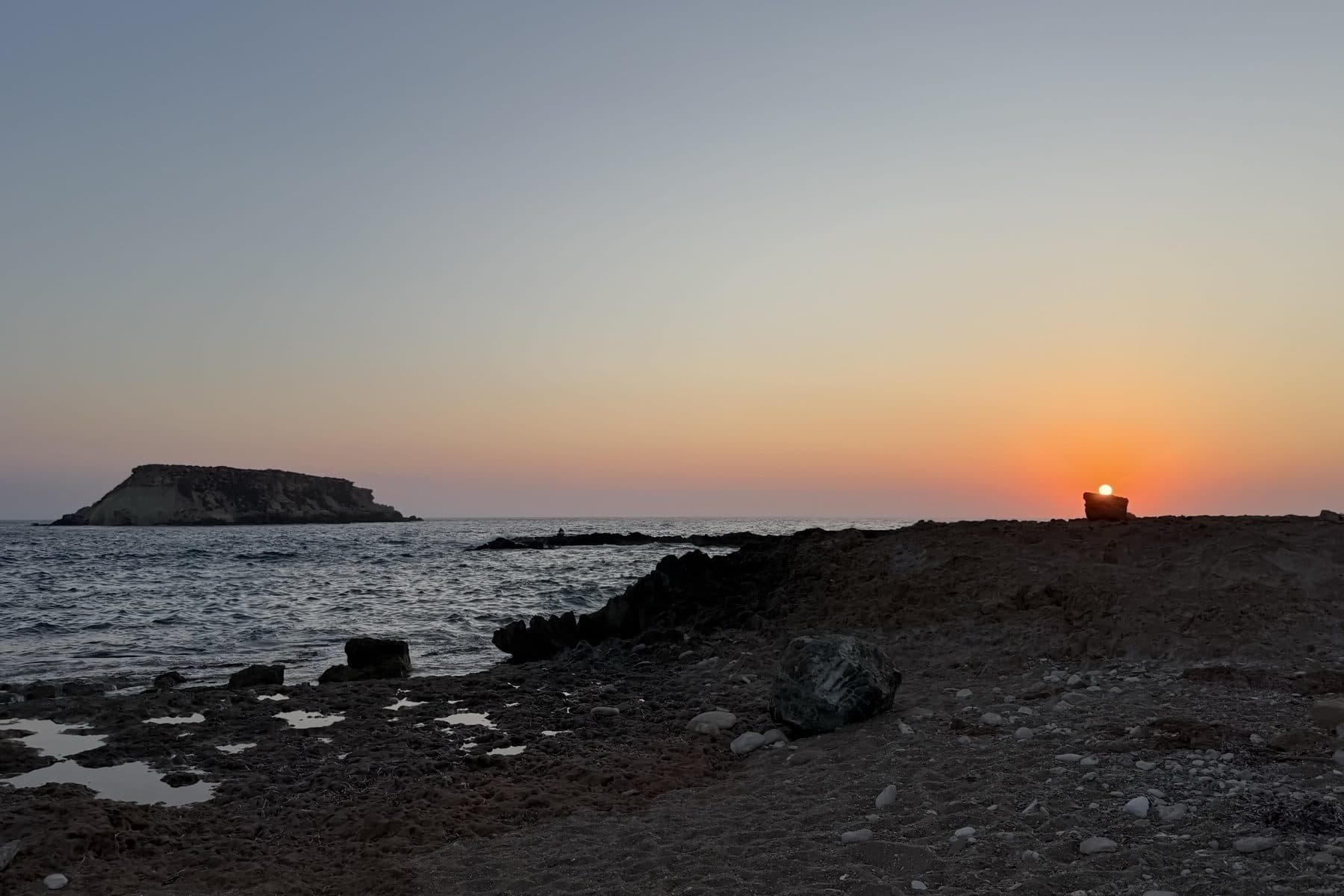
The weather changes your week
In Belgium I planned around the weather. Here I mostly don't. Winters are mild enough to train outside, and the sea is warm enough to swim from late spring well into autumn. The trade-off is July and August, when the heat runs your schedule: runs happen early, padel happens late, and nobody sensible is outside at two in the afternoon.
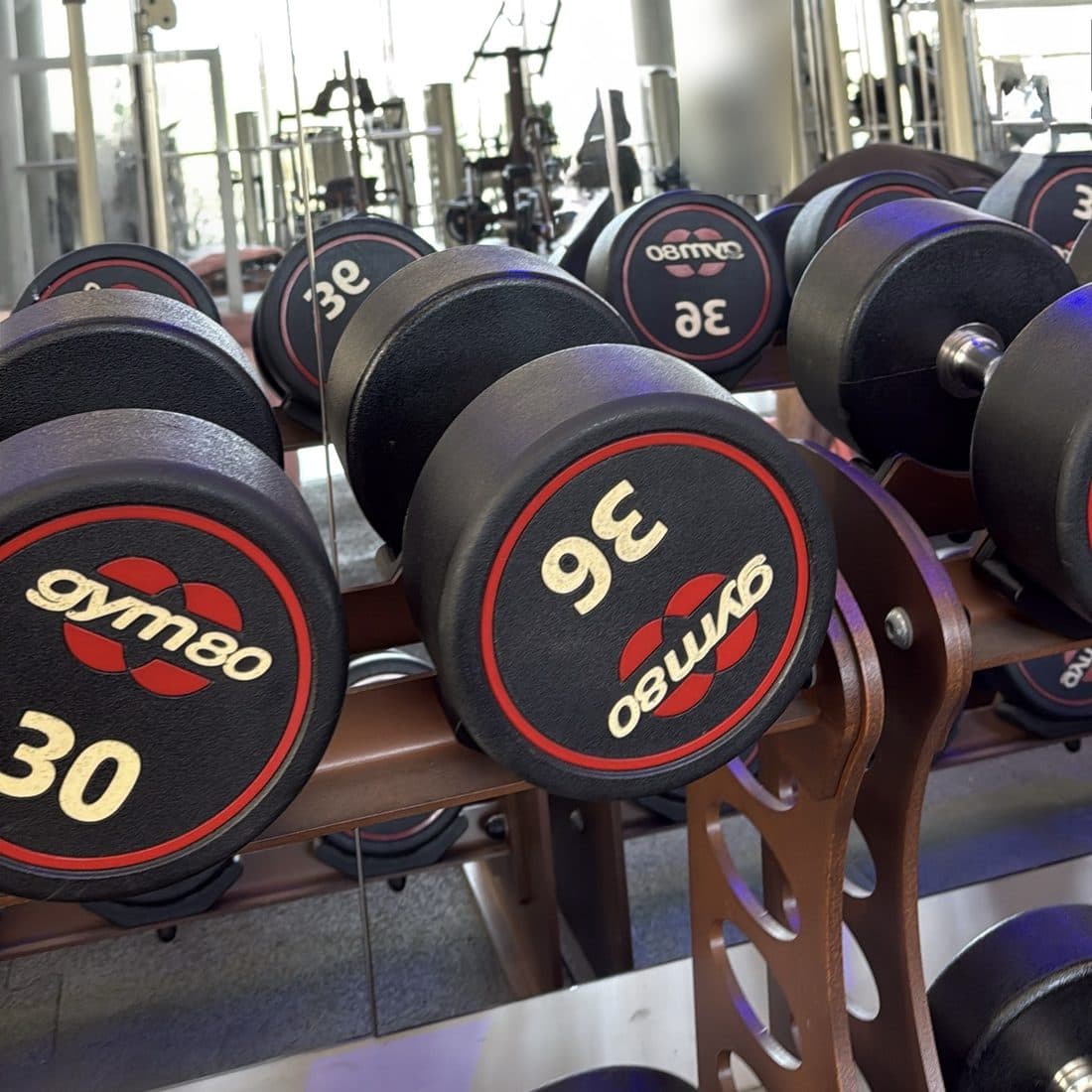
A routine built around training
My days start with the gym or a run along the coast, before the heat and before the first call. Padel is how I see people in the evenings. Having the sea five minutes away makes "I'll go for a swim" an actual plan instead of a holiday idea.
Weekends
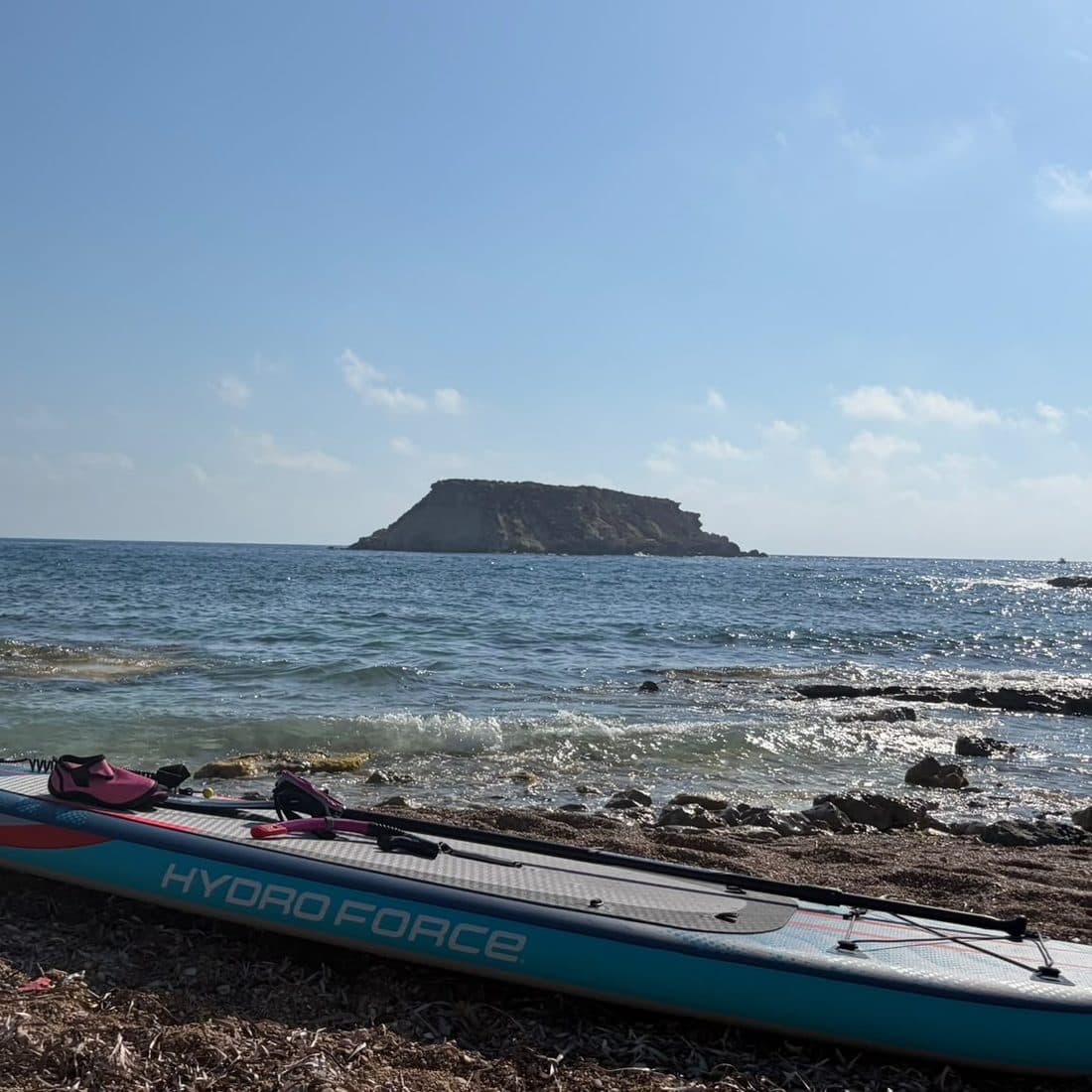
You need a car, and you drive on the left. With one, the island opens up: the Akamas peninsula for wild beaches, the Troodos mountains when the coast gets too hot (and snow in winter, which still surprises me), and the north, across a checkpoint with your passport or ID, for Kyrenia's old harbour. Greece is a short, cheap flight away, which is how I ended up in Athens and on Naxos.

The pace
Cypriots say "siga siga": slowly, slowly. It's the best thing about daily life and the most frustrating thing about paperwork. Shops, offices and people run on their own clock, and getting annoyed doesn't speed anything up. English works almost everywhere.
Working from here
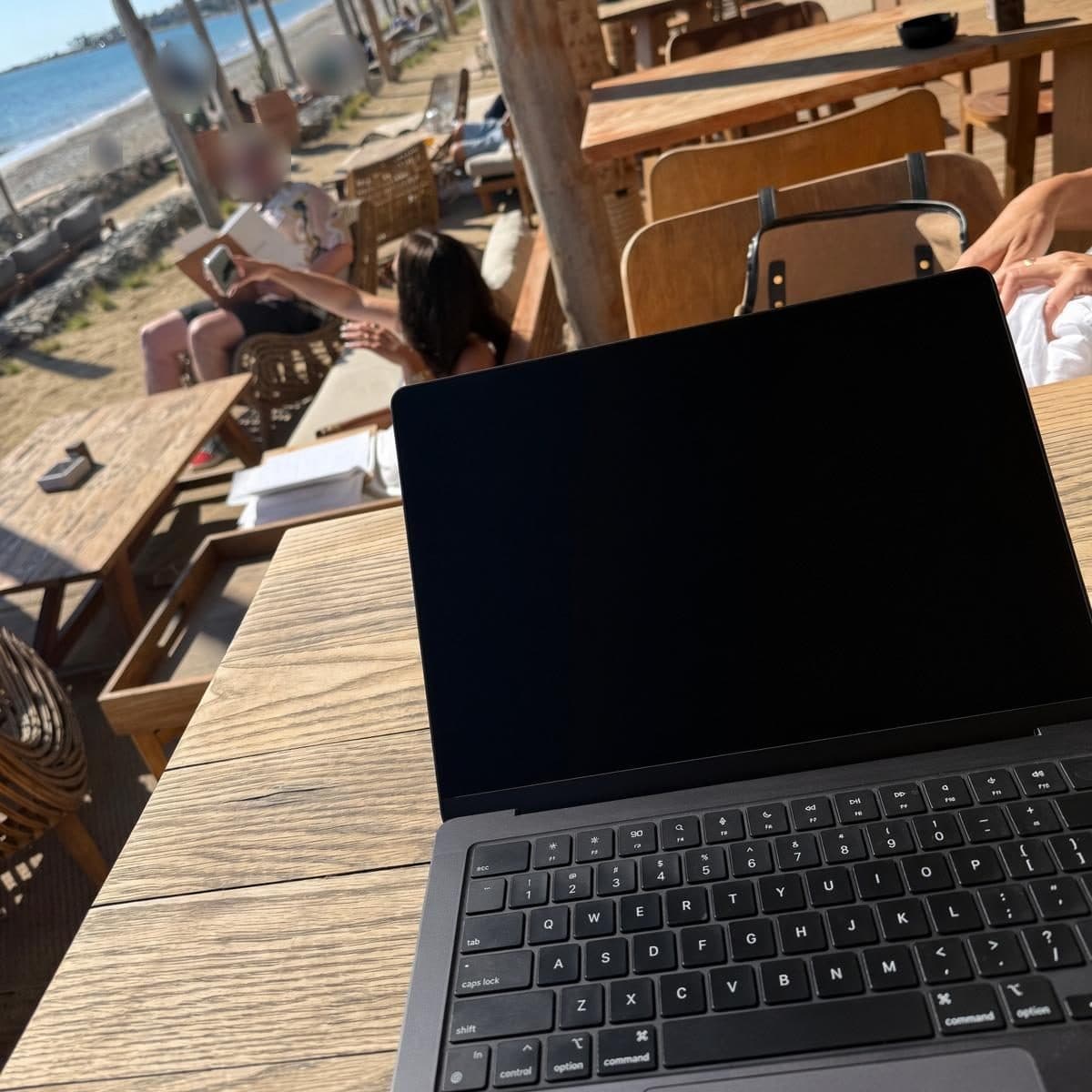
Paphos is quieter and cheaper than Limassol, which suits me. Fibre is available in most new buildings, but check before you sign a lease. The workday fits neatly between training and sunset: full overlap with Europe, and a long afternoon with the US East Coast.
What I miss
Friends and family, mostly, though Belgium is only a few hours' flight away. And a few things you only appreciate once they're gone.
Would I do it again?
Yes. I'd talk to both accountants a month earlier, get the utility bill sorted before signing anything, and assume every office visit takes twice as long as I planned. But I'd make the same move.